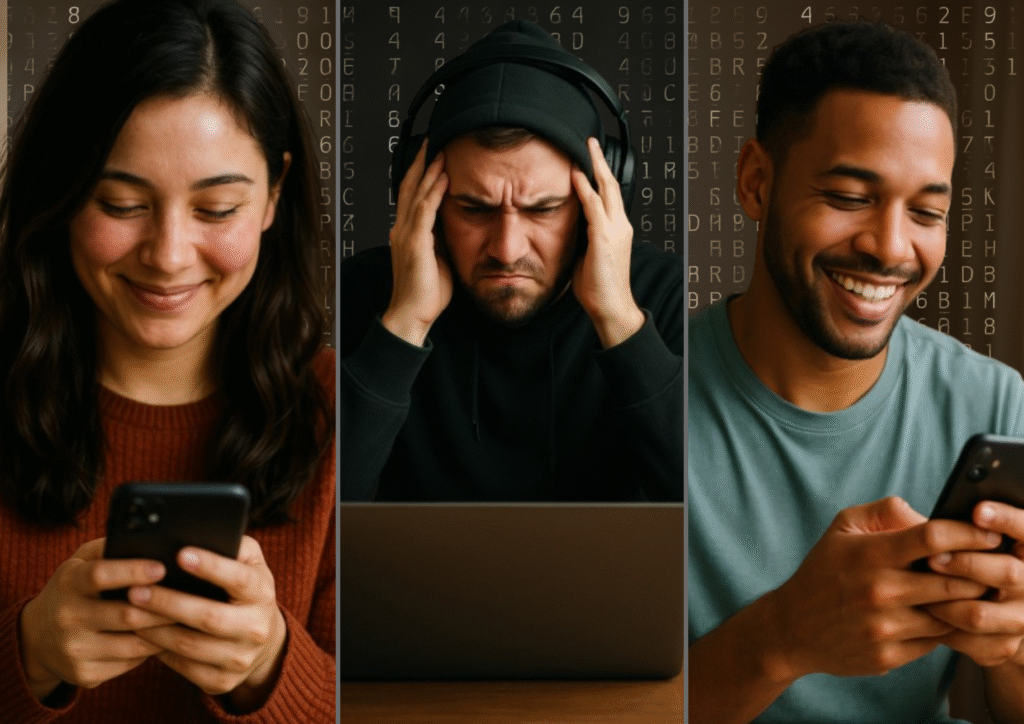

TL;DR – The real cost of free apps isn’t money. It’s your data, attention, and silence. “Free” VPNs track you, “free” AI tools train on you, and social media (once sold as a platform of free speech) has become a megaphone for a few. You’re not saving money; you’re just spending your privacy and time.
It was 2013. This was the time when Edward Snowden was leaking government secrets to the media. The leaked slides from NSA’s PRISM program showed that NSA had lawful access to user data from major tech companies like Google, Facebook, Apple, Yahoo etc. The public realised that their online activities were spied on even if they were or weren’t criminals.
There were lots of talks on privacy. Many turned to the tech gurus who recommended using VPNs. Now, VPN subscriptions cost around a couple of dollars per month.
But over the years, free VPN apps started popping up on Google Play Store and Apple App Store. They promised anonymous browsing, fast speeds, encryption etc… The whole package and that too for free…. What a sweet deal!!!
The app downloads reached record numbers worldwide due to the privacy scares, easy access to blocked sites, ease of use and the best feature, it was free.
In late 2018, an investigation by Financial Times and others found ties between these apps and companies in China operating through opaque corporate structures. All Chinese companies are required by law to share data with Chinese Intelligence when demanded. This becomes a very big issue when it comes to the privacy of the users.
A 2025 security analysis by Zimperium zLabs found that many so-called free VPNs lacked proper encryption, used proxy tunneling instead of secure VPN protocols, and also embedded third-party SDKs collecting user data unrelated to the VPN service.
So in trying to stay safe from prying eyes, many unfortunately ended up becoming fodder for scammers and other shady companies. Our love for the word “free” created all this mess.
How do free apps make money?
Everyone loves a free app just like everyone likes a free lunch. In today’s world everything has a cost. So when something’s offered for free, it feels like you are beating the system.
The free lunch was paid — with your attention, your data, and your time.
Most of the time we end up being too focused on what’s offered, to realise what’s stolen from us. Here are some ways these apps make money.
1) Free apps or Ad farms
Most “free” apps install advertising kits like Google AdMob, Unity, or ironSource. Every time your screen flashes you a banner or plays a video, the developers get some money. This is why ads hover around your screen when you try to play your free game.
Some developers are very greedy and they take this to the next level. They release apps that simulate fake clicks and ad views in the background. These apps secretly load invisible browser windows (called WebViews) and trigger clicks even when your phone is locked. This silently drains your battery and your data.
The HUMAN Security (formely known as White Ops) exposed a massive scheme named SlopAds where 224 apps were found generating invisible clicks in the background while the innocent looking apps were used by the user. After this came out, Google removed these apps from the Play Store.
2) Free apps or secret data brokers
These apps won’t have any ads. The layout will be very clean and simple. But each and every activity on your phone, your location etc. are quietly recorded and sold off to their analytics partners. This information is traded with others and can be used for targeted ads and political profiling.
Unbeknown to many, anonymous data like these can be matched to the respective individuals with frightening accuracy.
3) Free apps playing the freebie game
This is the classic trial hook strategy. These apps are provided entirely for free for a long duration like 6 months or 1 year. Here the users use the app whether it’s needed or not and finally app is integrated into their lives. After the free period is over, these apps demand heavy subscription fees. Since people are already addicted to it, they pay these huge premiums. Here it is free will that’s stolen from us.
There’s also a category of apps that offer a trial period (usually 15 to 30 days) just to give users a preview of the app. I personally don’t see this as unethical, but it uses behavioural addiction.
Why people fall for it for the free apps?
Even after reading countless blogs, news articles and the advices given by the tech gurus, we still use these free apps. Why do we still go for it?
Feels good
As mentioned before when we get something for free, it feels like we have beaten the system, a system where everything has a price. No matter the consequences behind it, we still see it as a win.
The design of trust
Our mind associates shapes and colours with feelings. It’s a known fact and designers use this concept while designing the app interface and logo. For example padlock, a green tick mark and certain keywords like “encryption”, “security” in the description can easily trick the brain.
Herd Mentality
“Millions of people have downloaded. There are lots of positive reviews. “
Often we associate popularity with safety. High downloads and good reviews isn’t so much of a guarantee.
Convenience always wins
We have always been slaves to convenience. When it comes to privacy over convenience, convenience always wins. Password managers stores all our passwords, GPS app remembers where we go, shopping apps remember everything we buy and our social media apps remembers what we like and dislike. We don’t feel the pain when our data gets stolen because we never see it.
What can you do
This is of course the million dollar question. Today there are many free apps and services that we use. The solution isn’t deleting all these apps. But following some basic rules when navigating the online space
- Always remember privacy isn’t free. If a company genuinely respects your privacy, paying for service or donating to the company isn’t a rip off.
- Apps ask for permission to things they don’t need permission for. Only allow limited permissions to any app. You’ll be surprised to find out how many apps run properly with minimal permissions.
- If an app claims “end-to-end encryption” — like a VPN, password manager, or messaging service — look for proof. Reputable developers publish independent security audits from firms such as Cure53, PwC, or Securitum. These audits verify that “no-logs” and encryption claims aren’t just marketing lines but technically real.
- Not every developer is out to exploit you. Open-source tools, privacy-first companies, and independent developers still exist — but they survive only if people use them. When you find one that doesn’t track, talk about it and use it without fear. Some popular examples you might have heard are Proton, Signal, Mullvad, Firefox.
Over the years there have been numerous breaches. So much so that the public has actually lost count of it. Lack of proper laws coupled with lack of basic understanding of privacy have helped many big companies walk Scott-free after many violations and each time after so much outrage the world conveniently forgotten about it.
In the world of AI and future tech, our privacy is taking a hit day by day. Let’s act with caution next time we hear the word “free”.
FAQs
The real cost of free apps isn’t money. It’s your data and time.
There are three ways free apps make money.
1) By advertisement – They show you advertisements all time and earn commissions.
2) Selling Data – Free apps sell user data to marketing firms
3) Ecosystem lockin – free apps offer free access for a particular duration to get you hooked and then ask for heavy premiums that you are forced to pay.
Who owns the app is the first thing to check. If the app asks for permissions to the device unrelated to its performance, then it’s a serious red flag. If the app is a VPN or messaging app and promises encryption, then check for independent audit reports.If while using the app, you find your battery or data draining abnormally fast, then that’s a serious red flag.
Use your phone’s permissions manager to disable location/mic for unnecessary apps. Prefer open-source or audited privacy tools. Delete apps you don’t use. Pay for the few that truly matter — privacy isn’t expensive, but losing it is.
Check out our posts

How VPNs really work: Protocols, safety and myth

Passkeys Explained: The End of Passwords or Just Another Tech Gimmick?

183 Million Gmail addresses in a data leak — Here’s what actually happened (and what you should do)

Brain-computer interfaces (BCI) : The next upgrade

How WhatsApp Uses the Signal Protocol (X3DH + Double Ratchet) Explained in Simple Words

DNA data storage: Replacing hard drives with DNA
Hard drives fade. DNA endures. Discover how scientists are turning life’s own…